All Categories
Featured
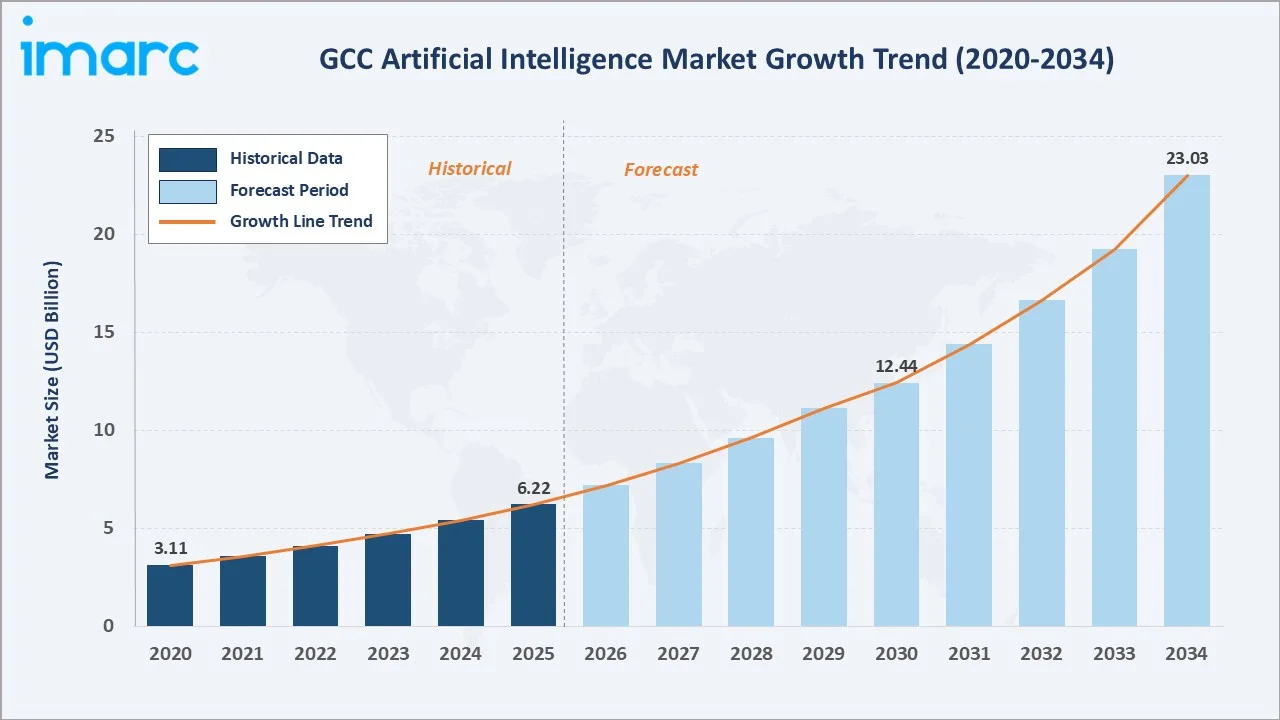
Analyzing GCC Equity Exchange Trends for 2026
Sub-Saharan African nations account for around one-third of the overall, followed by Latin America and the Middle East (the latter two together representing over 40% of the total). Including, there has been an (from 90.3 in 2000-04 to 92.6 and 92.3 in the 5 years pre- and post-pandemic ).

and ranked greater than others; UAE is up more than 45 places in 2024 compared to 2000 while Qatar climbed up 24; both Saudi Arabia and Oman rose 17 ranks during the period. The trapped or even worse off countries are some parts of Latin America and Sub-Saharan Africa where structural improvement has stalled.
Advantages of Scaling Manufacturing Projects across GCCreveals a significant boost in typical EDI scores from 86.8 in 2000-04 to 92.6 in 2020-24, (up more than 10 points in the preliminary period versus 2020-24). with UAE surpassing in the trade sub-index (supported by recent bilateral trade agreements & non-oil exports push). vs its pre-pandemic reading (partly given the rise in medium & modern manufacturing data).
Its diversity metrics have actually stagnated, revealing the least enhancement between the initial (2000-04) and final (2020-24) reference periods., despite the headwinds of OPEC+ production cuts. A robust non-hydrocarbon expansion was supported by the GCC's robust domestic need (supported by a strong project pipeline and implementation) and strong services sector performance.
Top Foreign Capital Prospects in the GCC MarketRoadmap to Gulf Financial Equity Trends for 2026
Kuwait and Saudi Arabia clocked in an increase in non-hydrocarbon earnings, "mostly showing non-hydrocarbon tax base expansions and earnings collection efficiency enhancements", according to the IMF. In the existing geopolitical environment identified by magnifying, it is in the finest interests of product dependent nations to diversify its export base, exports and trade partners.

Latest Posts
Essential Global Capital Trends within GCC Market
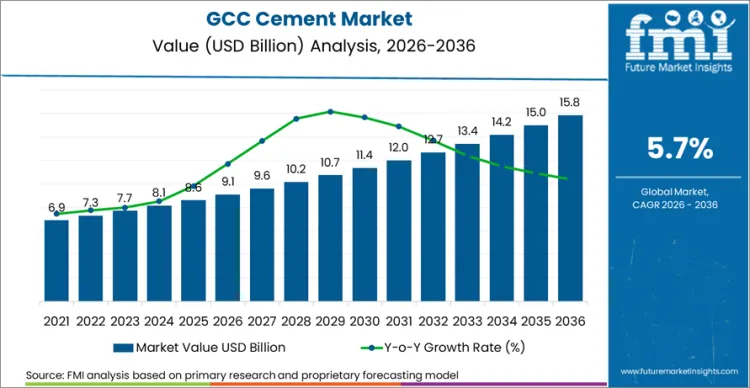
Key Steps for Effective Capital Diversification
Current GCC Equity Market Cycles to Watch