All Categories
Featured

Navigating Capital Strategies for a Global Economy
Table of Contents
GCC economies have actually shown to be resistant in recuperating from past crises. Product bound for GCC cities on the Gulf are being rerouted overland from Gulf of Oman ports and from Red Sea ports.
9 Dammam is likewise absorbing diverted air traffic, managing cargo and traveler flights for both Kuwait Airways and Gulf Air, given the suspension of industrial operations at Kuwait and Bahrain airports. Some high-value items have actually been moving in the opposite instructions, with Bahrain trucking aluminium through Saudi Arabia. These adaptations are assisting keep vital materials and keep grocery stores equipped, but these carries time, expense and capability constraints.
10 The wider rerouting obstacle was illustrated by a media report on timber deliveries from Austria to Qatar, which were redirected through the UAE by land from Khor Fakkan to Jebel Ali before onward transfer to Qatar, with surcharges tripling the total transportation expense. 11 The hospitality and retail sectors have been impacted by the fall in visitor numbers and lower consumer costs.
Key International Capital Avenues for the GCC Market
For instance, Abu Dhabi's Zayed International Airport has introduced a pass allowing non-passengers to access airside retail and dining facilities. 12 Dubai has likewise delayed payments of hotel and tourist charges for three months, alongside picked federal government service charge, to support the tourist sector and wider company community. 13 At the time of writing, Dubai's stimulus plan, valued at Dh1bn (US$ 272m), is among the earliest financial policy efforts up until now to alleviate pressure on companies dealing with tighter liquidity and increasing operating expenses.
Additional financial measures might be introduced if the dispute becomes more extended. 15.
As we move ahead in 2026, GCC economies are preparing for a brand-new trajectory one driven by innovation, adoption, diversity and labor force improvement. For tech and companies the opportunity is clear, understanding these shifts and equate the action into tactical benefit. Economic Diversity Beyond Oil: Diversification throughout the GCC is no longer a policy aspiration - it's a financial truth.
Sustainability is no longer a compliance discussion; it is a development method. As per the, the Gulf's freight and logistics market was valued at $172 billion in 2024 and is predicted to reach almost $300 billion by 2033, fueled by industrial expansion, warehousing need, and multimodal transport capability.
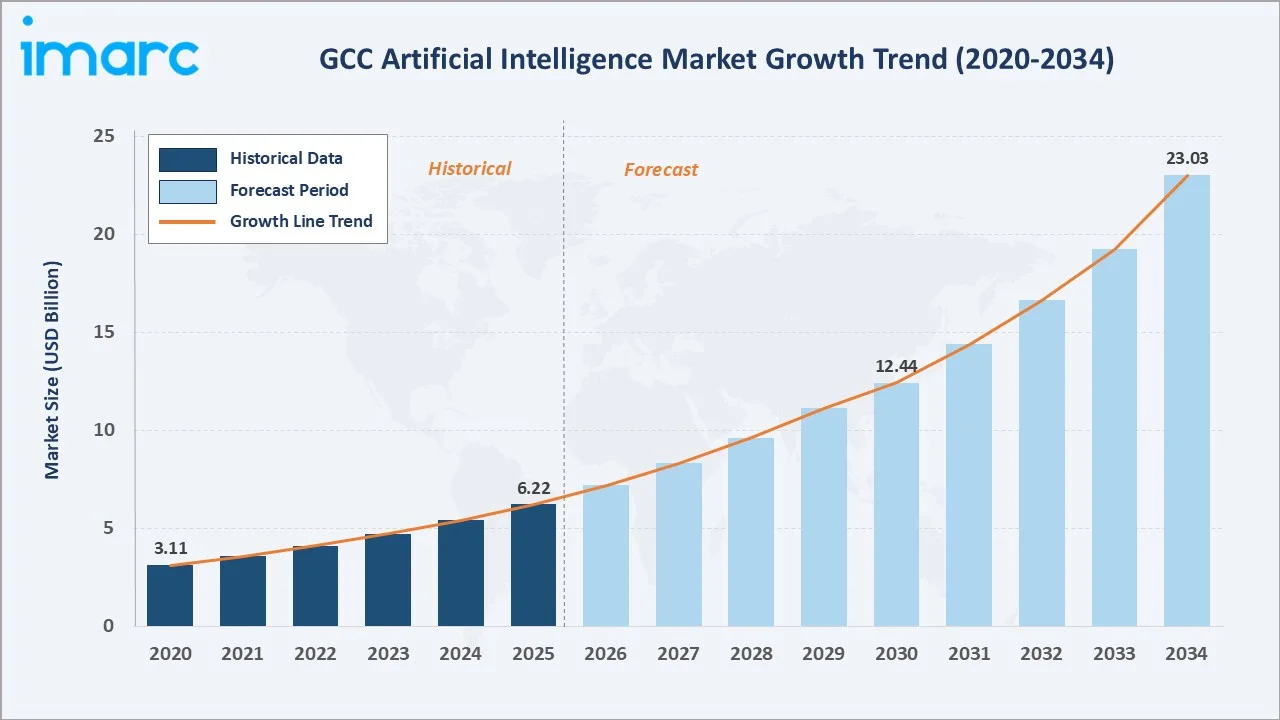
highlights that by 2026 economies like the UAE and Saudi Arabia are anticipated to move from pilot projects to operational, productivity-focused AI applications throughout financing, energy, logistics, and other sectors. This acceleration aligns with broader local momentum: AI's contribution to the GCC economy is predicted to be considerable, with PwC approximating it might unlock hundreds of billions in value by 2030.
The Future Investment Landscape in the GCC
Skill and skills are main to the area's financial advancement. According to a current study, 75% of the regional workforce has actually used AI at work in the previous 12 months, and workers progressively value chances to grow their abilities and stay pertinent.
Here are the crucial takeaways for leaders and choice makers for 2026: Broaden strategic diversification efforts: Look beyond traditional sectors and include brand-new markets, services, and global worth chains into your development agenda. Operationalize AI properly: Develop clear roadmaps that surpass pilot jobs - embed AI into core operations while ensuring ethical governance and measurable outcomes.
The GCC's outlook for 2026 is one of change - not simply growth. Diversification, AI implementation, and workforce advancement are shaping a new economic landscape that rewards nimble management and long-term thinking.
The Future Investment Climate of Arabia
The current conflict in the Middle East has taken a severe and instant economic toll on countries in the surrounding region. The closure of the Strait of Hormuz and destruction of energy and public infrastructure have actually disrupted markets, increased financial volatility, and deteriorated the 2026 growth outlook, according to the (MENAAP).

Latest Posts
Essential Global Capital Trends within GCC Market
Key Steps for Effective Capital Diversification
Current GCC Equity Market Cycles to Watch