All Categories
Featured
Table of Contents
- – Advancement of Operational Collaborations in r...
- – Advanced Automation and the Human Aspect in 2026
- – Information Sovereignty and Compliance in the ...
- – The Shift Towards Specific Niche Specialization
- – Handling the Hybrid Workforce in local markets
- – Sustainability and Social Duty in Outsourcing
- – Outcome-Based Metrics and the 2026 ROI
- – The Function of Regional Skill in the Gulf re...
- – Future Outlook for Middle Eastern Operational ...
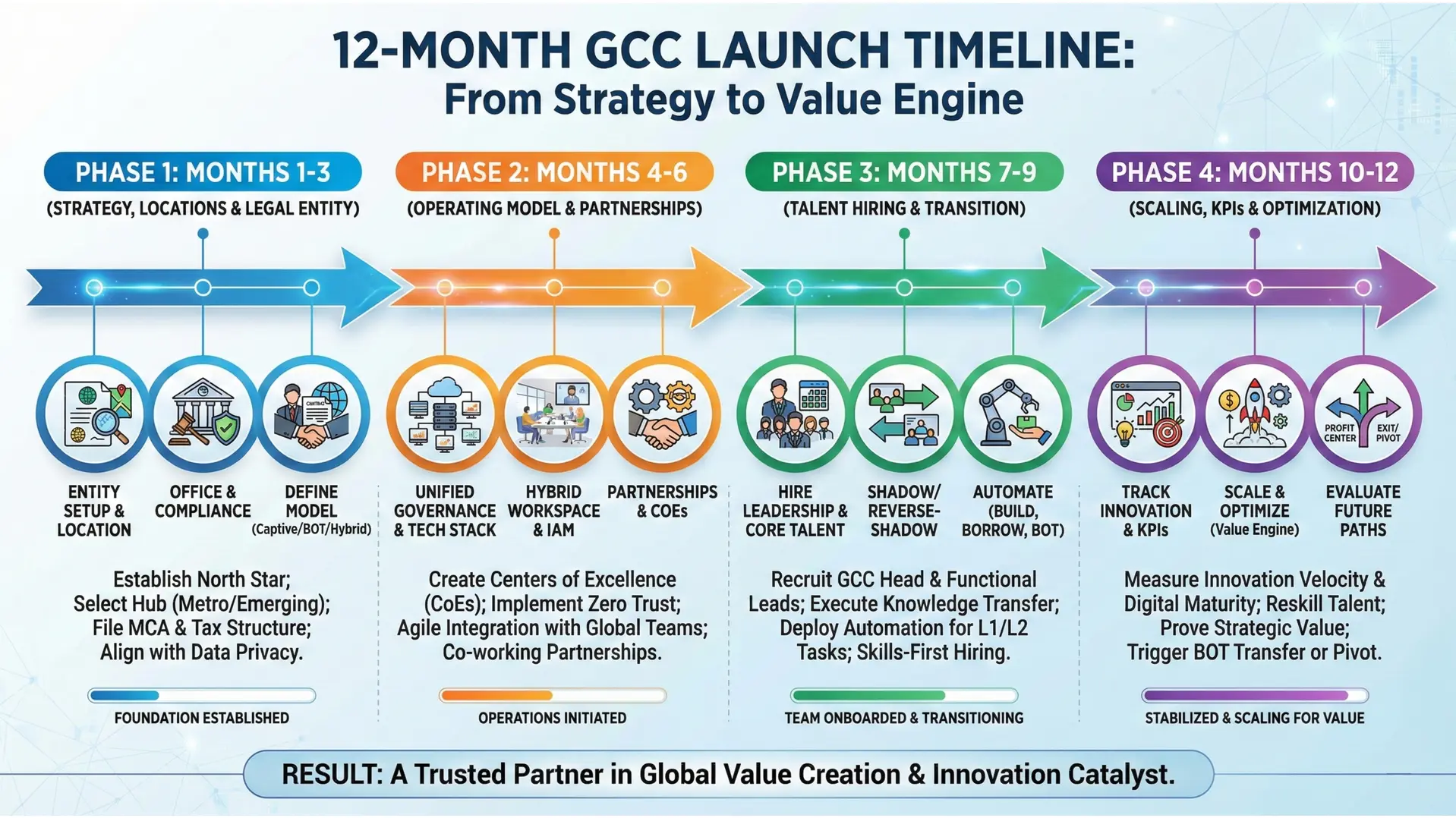

Advancement of Operational Collaborations in regional business centers
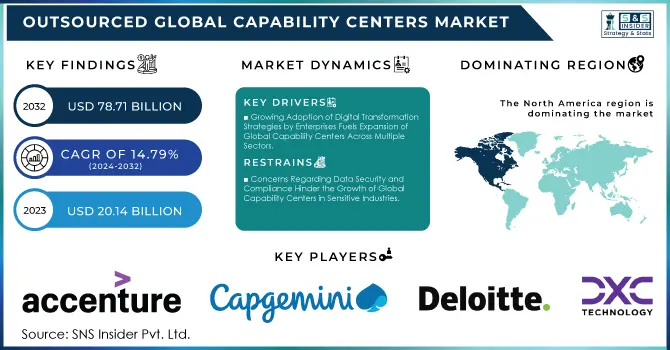
The business environment in 2026 has actually moved previous easy labor replacement. For several years, companies across the Gulf Cooperation Council (GCC) viewed outsourcing as a method to cut payroll costs. Today, the focus has actually shifted toward securing specialized abilities that are challenging to construct internal. This modification reflects a wider maturity in the regional economy where speed and technical precision figure out market share. Organizations in the Middle East now treat external providers as extensions of their own teams, sharing both threats and rewards through outcome-based contracts.Efficiency in 2026 is specified by how well a company can adjust to abrupt market shifts. Large enterprises often find that internal departments are too stiff to pivot quickly when brand-new policies or innovations emerge. By dealing with specialized firms, these companies gain access to a pool of skill that stays present with global patterns. This is especially apparent in technical management where the rate of modification outstrips standard employing cycles. Rather of spending months recruiting and training, services use developed partnerships to deploy experts immediately.
Advanced Automation and the Human Aspect in 2026
Artificial intelligence and automated workflows have ended up being standard across the regional private sector. In 2026, the discussion is no longer about whether to automate, however how to do so without losing the human touch required for intricate decision-making. Strategic contracting out models now stress a "human-in-the-loop" approach. This makes sure that while repetitive tasks are managed by software application, nuanced issues are escalated to skilled experts. Lots of firms discover that competence in GCC Strategy provides the essential balance between algorithmic speed and human oversight.The integration of AI into outsourced functions has actually also altered how contracts are structured. In previous years, business spent for "headcount" or "hours worked." In 2026, the dominant model is "per-transaction" or "value-based" prices. This forces providers to optimize their own effectiveness. If a partner can fix a consumer issue or procedure a claim using advanced tools in half the time, they stay successful while the customer gain from faster outcomes. This alignment of interests has minimized the friction frequently found in standard vendor relationships.
Information Sovereignty and Compliance in the local territory
Regional data laws have become substantially more rigid in 2026. Governments across the GCC now require that delicate information remains within national borders, developing a rise in need for regional information centers and "onshore" outsourcing choices. Business running in the metropolitan area should guarantee their partners comply with these residency requirements. This has led to the increase of regional professionals who comprehend the particular legal requirements of the Middle East, using a level of security that worldwide giants in some cases struggle to provide.Security is no longer a different department however a core function of every service agreement. With the boost in interconnected systems, a vulnerability in a third-party supplier can expose the whole moms and dad company. The selection procedure for digital service providers includes deep technical audits and constant tracking. Firms are looking for strong performance history in data defense before they even begin price settlements. Trust has actually become the primary currency in the 2026 B2B market.
The Shift Towards Specific Niche Specialization
Generalist providers are losing ground to boutique firms that concentrate on particular verticals. In 2026, a business in the region is most likely to hire a company that only handles logistics for the energy sector rather than an enormous corporation that does everything. This specialization permits for a much deeper understanding of industry-specific challenges. For instance, in the realm of professional operations, a niche supplier already knows the regulatory obstacles and technical standards, conserving the customer months of onboarding time.Strategic investments in Comprehensive GCC Strategy Frameworks have actually ended up being a typical way for mid-sized companies to take on bigger competitors. By outsourcing specialized functions, smaller business can access the very same level of innovation and talent as billion-dollar corporations. This has actually leveled the playing field in many industries, permitting nimble startups to challenge established gamers by keeping low overhead while delivering high-quality outputs.
Handling the Hybrid Workforce in local markets
The 2026 workforce is a mix of full-time workers, freelancers, and outsourced groups. Handling this hybrid structure requires a different set of management skills than the standard office-based model. Success depends on clear communication and the use of collaborative tools that bridge the space in between various places. Companies in the local economy are investing greatly in management training to ensure their internal leaders can efficiently oversee external partners.One of the biggest obstacles in this hybrid model is preserving a constant business culture. When a substantial part of the work is done by people who do not being in the primary workplace, there is a risk of misalignment. To counter this, many organizations now include their outsourced partners in the area halls and technique sessions. This inclusive approach makes sure that everybody, no matter their employment status, understands the long-term goals of the company.
Sustainability and Social Duty in Outsourcing

By 2026, ecological and social governance (ESG) has actually moved from a marketing talking point to a legal requirement in lots of parts of the GCC. Business are held accountable for the carbon footprint and labor practices of their whole supply chain, including their outsourcing partners. This means that a service provider in the surrounding region must show they utilize renewable energy and follow fair labor standards to win contracts.This focus on sustainability has caused the "Green Outsourcing" motion. Providers now contend on their energy performance ratings as much as their technical abilities. For a business in the local market, picking a sustainable partner is not almost ethics-- it has to do with risk management. As carbon taxes and environmental regulations tighten up, having a "clean" supply chain avoids future financial penalties and reputational damage.
Outcome-Based Metrics and the 2026 ROI
Measuring the success of an outsourcing engagement has actually changed. In the past, supervisors looked at basic metrics like "tickets closed" or "uptime." In 2026, the focus is on organization results. Does the partnership result in greater client retention? Has it shortened the time-to-market for brand-new products? These are the concerns being asked by boards of directors in the local business community. Making use of real-time control panels permits for instant exposure into performance. If a service provider's output dips, it is discovered in minutes, not during a quarterly review. This transparency has led to a more truthful and efficient relationship between clients and suppliers. Rather of concealing errors, companies are motivated to identify problems early and recommend solutions. The prevailing attitude is one of cooperation rather than conflict.
The Function of Regional Skill in the Gulf region
Nationalization programs continue to affect how business structure their operations in 2026. Outsourcing is often utilized as a tool to support these goals. By partnering with local firms, worldwide companies can fulfill their localization quotas while still preserving worldwide standards. This has actually led to a thriving market for home-grown service providers in the urban centers who utilize regional graduates and train them in global best practices.These local companies provide a bridge between worldwide technology and local culture. They comprehend the nuances of doing company in the Middle East, from language requirements to social custom-mades, which international service providers frequently neglect. For a business focused on specialized business functions, this local insight can be the difference in between a successful launch and a pricey failure.
Future Outlook for Middle Eastern Operational Method
As 2026 advances, the line in between internal and external groups will continue to blur. The most successful organizations will be those that can integrate various service designs into an unified whole. Whether it is using remote professionals for technical tasks or working with regional companies for specific tasks, the goal remains the very same: staying competitive in a fast-moving worldwide economy.The 2026 economy in the regional market is specified by its capability to blend standard worths with modern-day performance. Outsourcing is the system that permits this to occur, providing the flexibility and knowledge needed to navigate a complicated world. As long as services continue to focus on quality and compliance over easy cost-cutting, the partnership model will remain a cornerstone of regional success. Organizations that adjust to these brand-new truths will find themselves well-positioned for the rest of the decade, while those holding on to older, more stiff designs might find it significantly tough to keep up.

Table of Contents
- – Advancement of Operational Collaborations in r...
- – Advanced Automation and the Human Aspect in 2026
- – Information Sovereignty and Compliance in the ...
- – The Shift Towards Specific Niche Specialization
- – Handling the Hybrid Workforce in local markets
- – Sustainability and Social Duty in Outsourcing
- – Outcome-Based Metrics and the 2026 ROI
- – The Function of Regional Skill in the Gulf re...
- – Future Outlook for Middle Eastern Operational ...
Latest Posts
Essential Global Capital Trends within GCC Market
Key Steps for Effective Capital Diversification
Current GCC Equity Market Cycles to Watch
Latest Posts
Essential Global Capital Trends within GCC Market
Key Steps for Effective Capital Diversification
Current GCC Equity Market Cycles to Watch